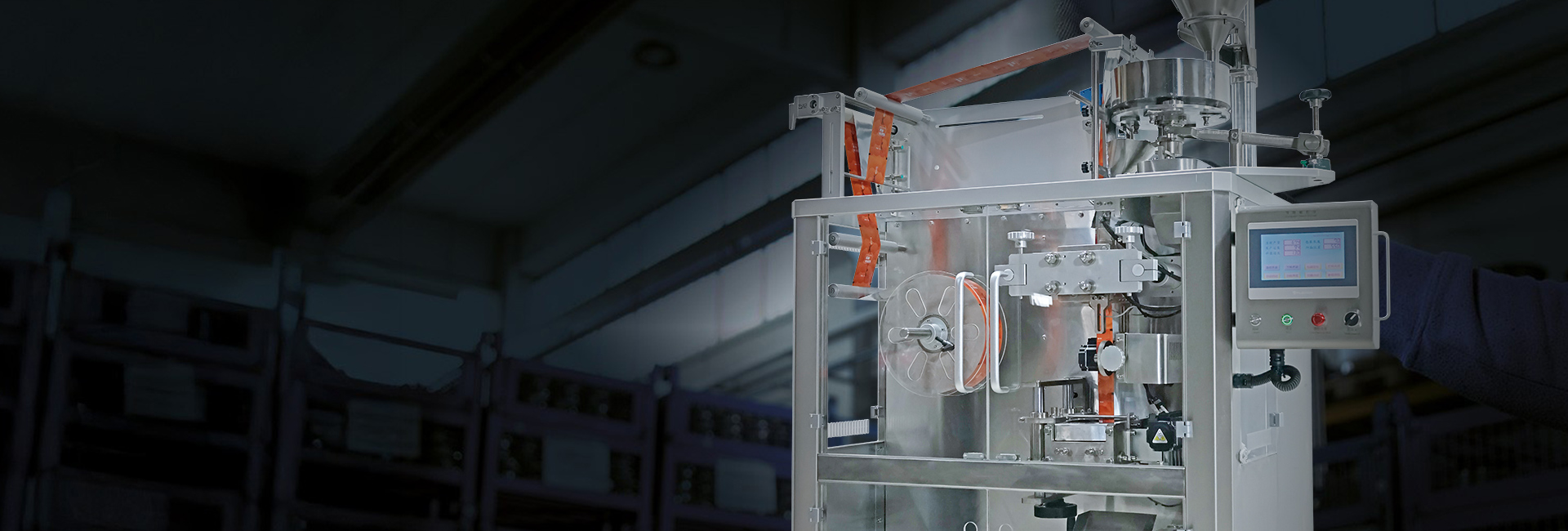
Packaging Machinery Market (QYResearch): Steady Growth in Scale, Dancing with Technology and Competition
1、 Market size and growth drivers: steady expansion driven by consumption upgrading
As the core equipment of modern manufacturing industry, packaging machinery is deeply bound to the upgrading of global consumer demand and the improvement of supply chain efficiency in its market growth. In 2024, the global market sales have reached $37.69 billion, and it is expected to exceed $49.93 billion by 2031. The compound annual growth rate (CAGR) from 2025 to 2031 remains stable at 4.2%, demonstrating resilience against cycles.
The growth momentum mainly comes from three aspects:
Personalized consumption drives device upgrades: The average annual growth rate of global fast-moving consumer goods SKUs is 18%, driving demand for flexible packaging equipment. By 2024, the market share of modular equipment that can be quickly changed has reached 45%;
Improvement of food and pharmaceutical safety standards: Policies such as the EU Packaging and Packaging Waste Directive and China's Food Safety Law promote the integration of sterile packaging and traceability systems, with a premium of 30% -50% for such high-end equipment;
The industrialization of emerging markets is accelerating: the penetration rate of packaging machinery in Southeast Asia, Africa and other regions has increased from 12% in 2020 to 21% in 2024, with an annual growth rate twice that of mature markets.
2、 Regional Market Pattern: Geographic Reconstruction of Manufacturing and Consumption
1. Distribution of consumer markets
North America and Europe: a total of 52% in 2024, with North America accounting for 28% (led by the United States) and Europe accounting for 24% (with Germany and France as the core). Mature markets are mainly driven by equipment replacement needs (accounting for 60%);
Asia Pacific region: accounting for 35% in 2024, with China contributing 72% of it. Consumer growth mainly comes from e-commerce logistics packaging (up 25% annually) and pre packaged food packaging (up 18% annually);
Growth potential: Southeast Asia is the fastest-growing consumer market, with an expected CAGR of 6.8% from 2025 to 2031. The expansion of the food processing industry in Vietnam and Indonesia is the main driving force.
2. Production capacity layout
Traditional production bases: North America (25%) and Europe (30%) still dominate high-end equipment production, with precision filling lines from companies such as Krones in Germany and IMA in Italy accounting for over 50% of the global market share;
Emerging production centers: China's production share has increased from 18% in 2020 to 27% in 2024, and is expected to reach 35% in 2031. Domestic equipment in the field of medium and high-speed packaging (such as 500 pack/minute pillow packaging machines) has approached international standards;
Supply chain characteristics: European companies focus on core technologies (control systems, precision machinery), while Chinese companies excel in whole line integration and cost control, forming a cooperation model of high-end components+local assembly.
3、 Products and Applications: Structural Opportunities in Segmented Fields
1. Product type competition
Labeling machinery: accounting for 18% in 2024, expected to reach 21% in 2031. Intelligent vision guided high-speed labeling machines (speed>1000 bottles/minute) have a penetration rate of over 70% in the beverage industry;
Filling and sealing equipment: accounting for 23%, aseptic filling equipment has the fastest growth rate (CAGR 5.8%), and a leading enterprise's PET bottle aseptic filling line can achieve 36000 bottles/hour;
Packaging material processing equipment: accounting for 15%, the growth of biodegradable film adaptation equipment is significant, and the market size will exceed 5 billion US dollars in 2024.
2. Core application areas
Food industry: accounting for 38% in 2024, it is the largest application area, with baking and pre packaged food packaging equipment growing at a rate of 6.2%, far exceeding the industry average;
Pharmaceutical industry: accounting for 12%, high gross profit (40%+) drives enterprise layout, and the market size of pharmaceutical packaging lines with error prevention functions will reach 4.2 billion US dollars in 2024;
E-commerce logistics: emerging growth point, with a market size of 870 million US dollars for intelligent express packaging equipment (automatic bagging, intelligent weighing and labeling) in 2024, an annual increase of 32%.
4、 Technological innovation direction: intelligent and green dual wheel drive
1. Deep penetration of intelligent manufacturing
Full chain digitization: By 2024, the proportion of devices with IoT capabilities will reach 35%. A snack enterprise's intelligent production line optimizes packaging parameters through AI, reducing material loss by 12% and energy consumption by 18%;
Popularization of human-machine collaboration: The application of collaborative robots in packaging workstations will increase from 17% in 2022 to 28% in 2024, and the penetration rate of robots in pharmaceutical cleanrooms will reach 50%, replacing 30% -50% of manual labor.
2. Industrialization of green technology
Energy saving equipment iteration: Variable frequency drive and waste heat recovery technology will reduce the unit energy consumption of mainstream equipment by 25% compared to 2020 by 2025, and some models (such as servo driven wrapping machines) will see a reduction of up to 40%;
Adaptation of environmentally friendly materials: The market share of biodegradable film packaging equipment and adhesive free technology is expected to exceed 15% in 2024 and increase to 20% in 2025. The carbon emissions of a company's bio based material packaging line are reduced by 58% compared to traditional equipment.
3. Flexible production system
Modular design: The equipment changeover time has been reduced from the traditional 4 hours to 30 minutes. A candy company has achieved 12 packaging forms switching through flexible lines, increasing order response speed by 60%;
Customized services: The number of enterprises providing customized solutions will increase by 23% year-on-year in 2024, and the joint research and development model will be popularized (such as beverage companies and equipment manufacturers jointly building irregular bottle packaging lines).
5、 Competitive Landscape: Differentiated Game between International Giants and Local Forces
1. Market segmentation and top enterprises
The first tier (30%): Barry Wehmiller (12%), GEA Group (10%), Krones (8%), monopolize the high-end market (such as sterile filling lines, pharmaceutical freeze-drying packaging lines), and the average equipment price is 2-3 times the industry average; <br />
Second tier (25%): Robert Bosch, Illinois Tool Works, Sidel, Yongchuang Intelligence, etc., have formed advantages in segmented fields such as labeling machines and mid-range filling lines. Yongchuang Intelligence is the only Chinese enterprise to enter the second tier, with a domestic market share of 15%;
Small and medium-sized enterprises: accounting for 45%, focusing on regional markets and standardized equipment, with fierce price competition (gross profit margin of 15% -20%).
2. Core competitiveness of domestic and foreign enterprises
International brands: Technical barriers are reflected in precision manufacturing (such as 0.05mm filling accuracy), software systems (equipment with a fault free running time of over 1200 hours), and service networks covering over 100 countries;
Chinese enterprises: Cost performance (30% -50% lower price) and fast response (shortened customization cycle to 3 months) are core advantages. Yongchuang Intelligence, New Meixing and other enterprises have a market share of 20% -25% in the Southeast Asian market and are accelerating overseas factory construction (such as Vietnam and Mexico).
6、 Future outlook: Increased concentration and strengthened technological barriers
By 2031, the packaging machinery market will present three major trends:
Industry concentration increase: CR10 is expected to rise from the current 28% to 40%, with top companies strengthening their advantages through mergers and acquisitions (such as Barry Wehmiller's acquisition of a flexible packaging company in 2024);
Technological barriers are shifting upwards: digital twins and carbon footprint tracking functions have become standard equipment for high-end devices, and research and development investment intensity (currently 5% -8%) will be further increased;
Deepening the regional layout: international brands accelerate the establishment of factories in Southeast Asia, Chinese enterprises expand into emerging markets through the the Belt and Road, and the localization rate of the supply chain is expected to rise from 30% to 50%.
For enterprises, seizing the trends of intelligence, greenness, and flexibility and building technological moats in segmented fields such as e-commerce packaging and biodegradable material equipment will be the key to crossing the cycle.
(Source: Electronic Engineering World Forum, August 20, 2025)